Get Well Installation
Well installation services connect property owners with local contractors who handle well drilling, pump setup, and system maintenance to ensure reliable water access.
Well installation services are an important consideration for property owners planning to develop or enhance their land. Whether preparing a site for construction, managing drainage, or installing water supply systems, property owners often seek reliable local contractors to ensure the work is completed effectively and to the necessary standards. Exploring options within the area can help identify experienced service providers who understand local conditions and requirements, making it easier to compare approaches and find solutions tailored to specific project needs.
Continuing with this process involves reviewing the capabilities and expertise of various local contractors to determine the best fit for the project. Property owners are encouraged to gather information about available services, experience, and reputation to make informed decisions. By exploring local options, property owners can find qualified professionals capable of handling well installation tasks efficiently, helping to ensure that planning projects proceed smoothly and successfully.
- Residential Well Installation - needed when homeowners require a new water source for their household.
- Irrigation Well Drilling - necessary for establishing an efficient watering system for lawns and gardens.
- Commercial Well Systems - essential for businesses that depend on on-site water supply for operations.
- Aquifer Testing and Analysis - useful when assessing groundwater quality and availability before installation.
- Well Pump Replacement - required when existing pumps no longer function properly or efficiently.
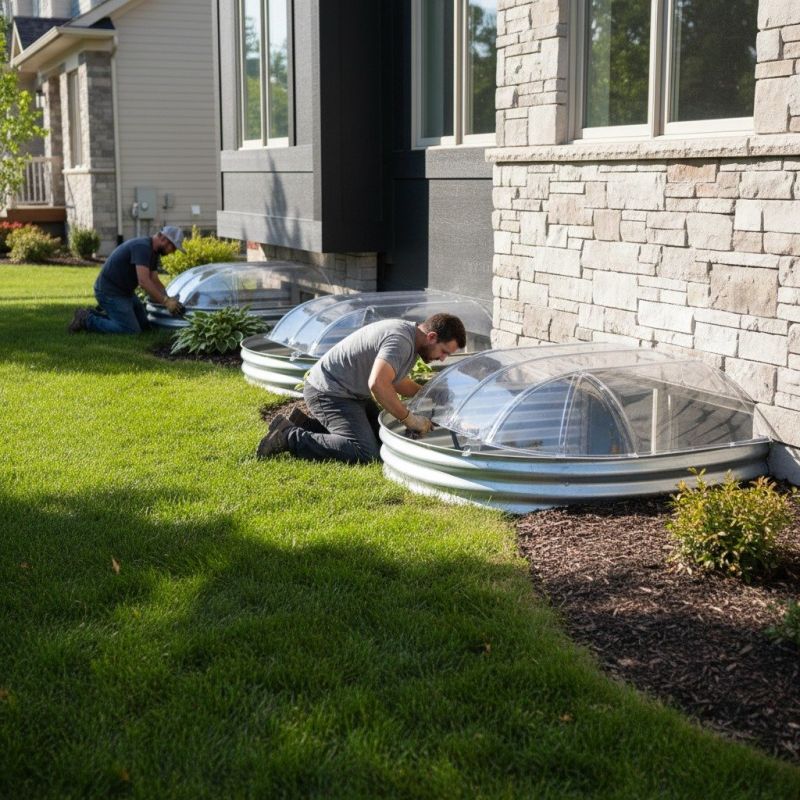


Well installation services involve the process of installing a well system on a property to provide a reliable source of groundwater. This typically includes drilling a borehole, setting the well casing, and installing the necessary pumps and piping to bring water to the surface. These services ensure that a property has a functional water supply, whether for household use, irrigation, or other needs. Experienced local contractors handle each step carefully to ensure the well is properly installed and positioned for optimal performance.
This service helps solve common water access problems faced by homeowners who rely on groundwater but lack an existing well system. It is often needed when properties are in rural areas or locations without access to municipal water services. Well installation can also be essential if an existing well becomes unusable due to contamination, declining water levels, or damage. Proper installation helps prevent issues such as low water pressure, sediment in the water, or contamination risks, providing peace of mind for property owners.
Properties that typically utilize well installation services include rural homes, farms, and properties with large land parcels where municipal water is unavailable or impractical. It is also common for vacation homes, cabins, and estates that are situated in remote locations. Commercial properties and agricultural operations may also require well installation to support their water needs. The choice of well system depends on factors like property size, water demand, and local geology, which local service providers can assess to recommend the most suitable solution.
Homeowners considering well installation should be aware of signs indicating the need for a new or upgraded well. These include consistently low water pressure, frequent pump failures, or the inability to access water altogether. If a property’s water supply has become unreliable or if there are concerns about water quality, contacting local contractors for an assessment and installation services can be a practical step. Connecting with experienced professionals ensures the well is installed correctly and efficiently, providing a dependable water source for years to come.
The overview below groups typical Well Installation projects into broad ranges so you can see how smaller, mid-sized, and larger jobs often compare in your area.
In many markets, a large share of routine jobs stays in the lower and middle ranges, while only a smaller percentage of projects moves into the highest bands when the work is more complex or site conditions are harder than average.
Smaller Repairs - typical costs for minor well installation tasks, such as replacing a pump or fixing a leak, generally range from $250 to $600. Many routine jobs fall within this middle band, though prices can vary based on specific needs.
Standard Well Installations - for installing a new well or upgrading an existing one, local contractors often charge between $3,000 and $7,000. Larger, more complex projects can reach $10,000 or more, but most fall into the middle range.
Full Well Replacement - complete replacement of an existing well system usually costs between $5,000 and $15,000. These projects tend to be on the higher end, though many installations are completed at the lower to mid-range prices.
Deep or Customized Projects - specialized or deep well installations can exceed $20,000, especially for difficult terrain or unique system requirements. Such projects are less common and typically represent the upper tier of typical costs.
Actual totals will depend on details like access to the work area, the scope of the project, and the materials selected, so use these as general starting points rather than exact figures.
Geothermal Heating System Installation - This project involves installing underground loops and systems that require similar drilling, planning, and knowledge of subsurface conditions as well installation services.
Water Well Pump Replacement - Replacing or upgrading well pumps involves understanding well structures and working with water delivery systems, sharing skills used in well installation.
Septic System Installation - Installing septic systems requires site assessment, excavation, and planning comparable to those needed for well installation projects.
Ground Source Heat Pump System Setup - Setting up ground source heat pumps involves drilling and underground piping, similar to the techniques used in well installation.
Water Line and Plumbing Repairs - Repair and installation of underground water lines involve planning, excavation, and knowledge of water systems akin to well installation work.
Soil Testing and Site Assessment - Conducting soil testing and site assessments provides valuable information for well installation projects, requiring similar planning and analysis skills.

When comparing local contractors for well installation services, it is important to consider their experience with similar projects. A contractor who has successfully completed well installations comparable in size and complexity can often bring valuable insights and proven skills to the job. Asking about their previous work can help determine whether they have the practical knowledge needed to handle specific site conditions and technical requirements, ensuring the project is completed efficiently and effectively.
Clear, written expectations are essential when evaluating potential service providers. This includes detailed descriptions of the scope of work, materials to be used, and any specific procedures or standards they follow. Having this information in writing helps prevent misunderstandings and provides a reference point throughout the project. It also demonstrates the contractor’s professionalism and commitment to transparency, making it easier to compare their approach to others in the local area.
Reputable references and good communication are vital factors to consider during the selection process. A reliable contractor should be able to provide references from previous clients who can speak to their work quality and reliability. Good communication, including prompt responses and clarity in explanations, indicates a contractor’s dedication to customer service and their ability to keep clients informed throughout the project. It’s important to remember that the site introduces homeowners to local options, not that it performs the work itself, so taking the time to thoroughly evaluate each service provider can help ensure a successful well installation.
Property owners use Well Installation services for practical projects around their homes and businesses. This guide focuses on everyday jobs and straightforward project options.
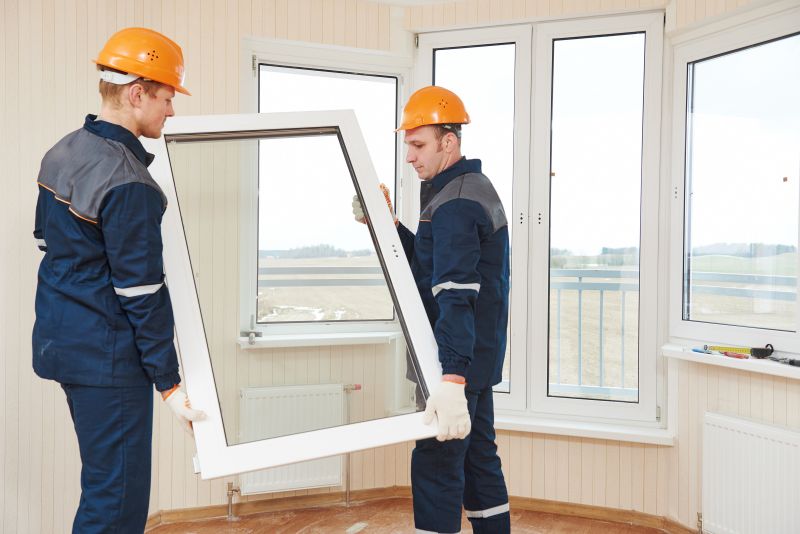
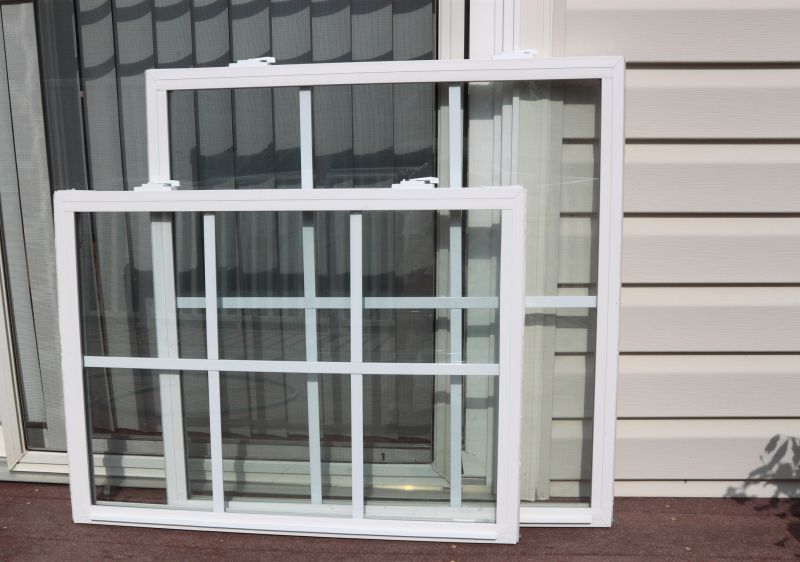
Well installation services are often needed when property owners are looking to improve their water supply systems or address issues with existing wells. Common situations include upgrading outdated equipment, repairing leaks, or installing new wells to ensure a reliable source of water. Local contractors can assist with these projects, helping property owners maintain proper water access for residential, agricultural, or commercial needs.
Additionally, many property owners seek well installation services when building new homes or expanding existing properties. Properly installed wells can be essential for rural properties or areas where municipal water isn’t available. Service providers in the area can handle these installations efficiently, offering solutions tailored to the specific requirements of each property.
What types of well installation services are available? Local contractors offer a range of well installation options, including drilled wells, dug wells, and driven wells, to suit different property needs and site conditions.
How do I know if a property needs a new well? A property may require a new well if there is no existing water source, if the current well is failing, or if upgrading to a more reliable or higher-capacity water supply is desired.
What should I consider when choosing a well installation service provider? It’s important to evaluate the experience of local contractors, their reputation, and their ability to handle the specific type of well installation needed for the property.
Are well installation services suitable for rural properties? Yes, well installation is commonly used for rural properties where municipal water access is unavailable or impractical.
What steps are involved in the well installation process? Typically, local service providers perform site assessment, drilling or digging, well casing installation, and water testing to ensure proper operation and water quality.
Well System Installation - Property owners can install a new well to ensure a reliable water supply for household use and irrigation needs.
Water Well Drilling - Homeowners planning to upgrade or replace an existing well can have local contractors handle the drilling process efficiently.
Well Pump Setup - Installing or replacing a well pump can improve water flow and pressure for daily household activities.
Well System Maintenance - Regular maintenance services help keep existing wells functioning properly and prevent potential issues.
If you are thinking about Well Installation for a property, this guide is meant to help you understand the work, the typical project types, and how different options might fit your plans.
When you are ready, you can use the quote form on this page to share a few details about your project. From there, local pros can review the basics and respond with options that match what you have in mind.